What Are Custom Embroidered Patches and How Are They Made?
If you have ever seen a stitched logo on a work uniform, a badge on a school blazer, or a morale patch on tactical gear, you have already come across custom embroidered patches. They are one of the most popular and trusted ways to display branding, identity, and belonging across many industries in the UK.
This guide explains what custom embroidered patches are, why they are so widely used, and what makes them different from other types of patches. Later parts will walk through how they are made and how to choose the right option for your needs.
What Are Custom Embroidered Patches?
Custom embroidered patches are fabric badges created by stitching a design directly onto a base material using coloured threads. The design can be a logo, text, emblem, badge, or symbol, all tailored to your specific requirements.
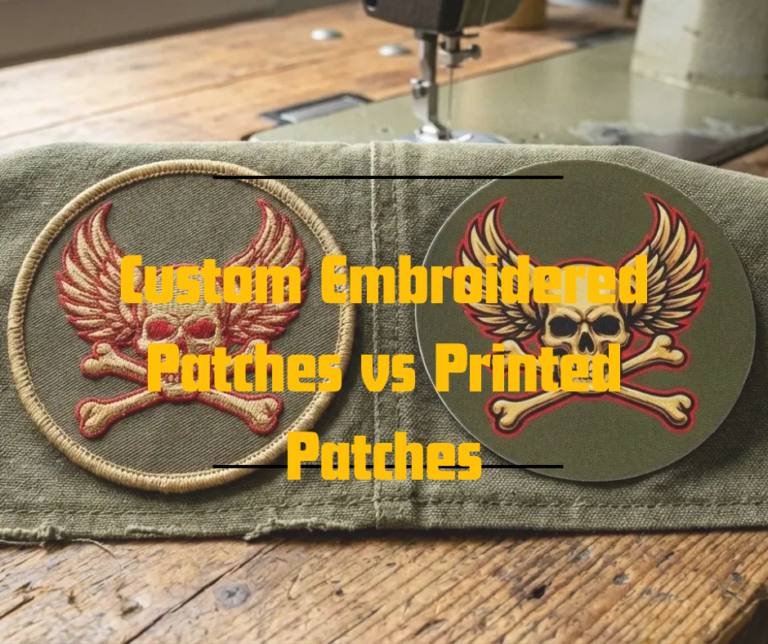
Unlike printed designs that sit flat on the surface, embroidery uses thread to create texture and depth. This gives embroidered patches a raised, tactile finish that looks professional and lasts well over time.
Businesses, clubs, organisations, and individuals across the UK choose Custom Embroidered Patches UK for their durability, classic appearance, and versatility. They can be attached to clothing, bags, hats, and equipment using different backing options, which makes them suitable for both permanent and removable use.
What Makes Embroidered Patches Different?
While there are several types of custom patches available today, embroidered patches stand out for a few key reasons.
A stitched and textured finish
The use of embroidery thread gives patches a bold and high-quality look. Logos and lettering appear clear and slightly raised, which helps designs stand out on uniforms and garments.
Strong and long-lasting
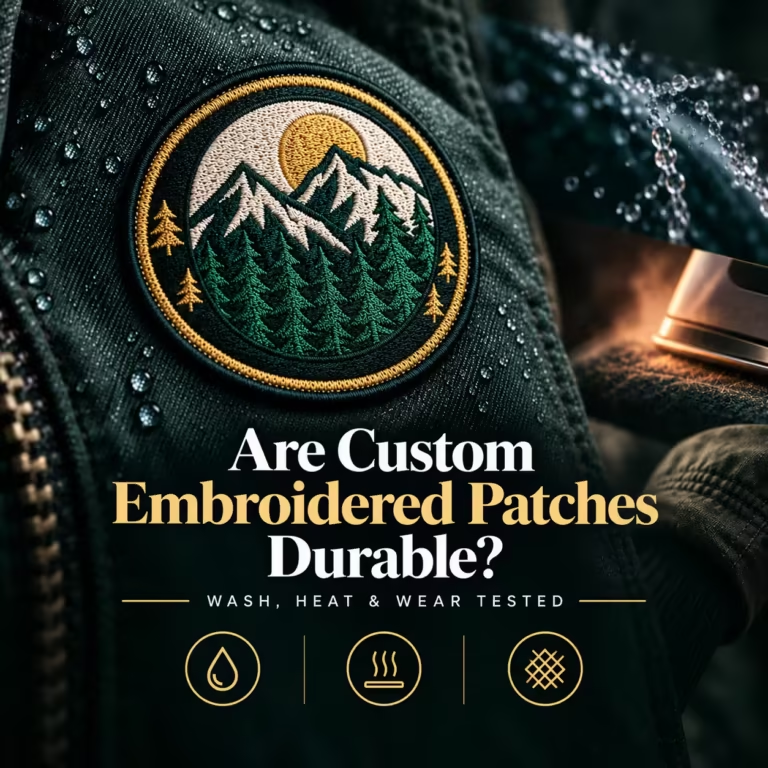
Embroidered patches are known for their durability. When properly made, they can withstand frequent wear, washing, and outdoor use without losing their shape or colour.
Traditional and professional appearance
Many organisations prefer embroidered patches because they feel established and trustworthy. This is why they are commonly used on workwear, military uniforms, school clothing, and branded apparel.
Other patch types, such as printed, woven, or PVC patches, have their own advantages, but embroidery remains the go-to choice when strength, texture, and a premium finish matter most.
Common Uses of Custom Embroidered Patches in the UK
Custom embroidered patches are used across a wide range of industries and communities. Their flexibility makes them suitable for both practical and decorative purposes.
Business branding and workwear
Many UK businesses use embroidered patches on uniforms to display their company name or logo. Tradespeople, hospitality staff, security teams, and delivery drivers often rely on patches for a smart and consistent look.
Military, tactical, and morale use
Embroidered patches are widely used by military units, police teams, cadets, airsoft groups, and emergency services. They are ideal for showing rank, unit identity, or morale messages while holding up well in demanding conditions.
Clubs, schools, and organisations
Sports clubs, scout groups, charities, and schools use embroidered badges to represent membership and achievements. Patches are often collected, worn with pride, and used for fundraising or recognition.
Fashion and accessories
From caps and jackets to backpacks and tote bags, embroidered patches have become popular in fashion and streetwear. They add personality and individuality to everyday items.
Why People Choose Embroidered Patches Over Other Options
When deciding how to display a logo or design, many people choose embroidery because it offers a good balance of style and practicality.
Embroidered patches work well for simple to moderately detailed designs, bold lettering, and logos that need to be visible from a distance. They are also suitable for both small and large quantities, making them useful for everything from small clubs to national organisations.
How Custom Embroidered Patches Are Made
Understanding how custom embroidered patches are made helps explain why they are so durable and why quality can vary between suppliers. While the finished patch may look simple, there is a careful process behind every design to ensure it looks right, wears well, and meets its intended purpose.
Below is a step-by-step look at how embroidered patches are typically produced in the UK.
Step 1: Design and Artwork Preparation
Everything starts with the design. This could be a company logo, a badge, a piece of text, or a custom illustration.
Most suppliers will ask for your artwork in a digital format, such as a vector file or a high-quality image. If the design is not already suitable for embroidery, it needs to be adjusted. Very fine details, small text, or colour gradients may need simplifying so they translate well into stitching.
At this stage, colours are selected using embroidery thread charts rather than screen colours. This ensures the final patch closely matches your branding when stitched.
Step 2: Digitising the Design for Embroidery
Once the artwork is approved, it goes through a process called digitising. This is where the design is converted into a digital embroidery file that tells the machine exactly how to stitch the patch.
Digitising sets:
- Stitch direction and density
- Thread colour changes
- Order of stitching
- Border style and finishing details
This step is crucial. Poor digitising can lead to loose threads, uneven stitching, or a patch that does not hold its shape. Good digitising results in clean lines, solid coverage, and a professional finish.
Step 3: Choosing the Base Fabric and Border
Most embroidered patches are stitched onto a durable fabric backing, such as twill or felt. Twill is especially popular because it provides a smooth surface and holds stitches well.
Next comes the border choice. The most common options include:
- Merrowed borders, which are thick stitched edges that suit classic shapes like circles and shields
- Laser-cut borders, which allow for custom shapes and sharper edges
The right border helps prevent fraying and gives the patch a finished look.
Step 4: Selecting the Patch Backing
The backing determines how the patch will be attached. This choice depends on where and how the patch will be used.
Common backing options include:
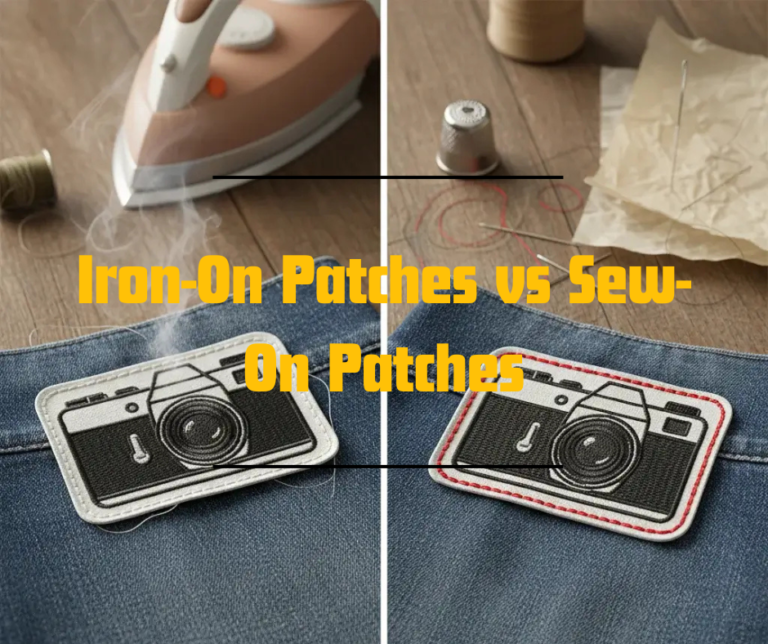
- Iron-on backing for easy application to clothing
- Sew-on backing for permanent attachment
- Hook-and-loop backing for removable patches
For example, workwear and promotional clothing often use iron-on options, while uniforms and tactical gear commonly use Velcro. If you want flexibility, Custom velcro patches are a practical choice, especially for military, police, and morale patches.
Step 5: The Embroidery Process
Once everything is set, the patch is stitched using industrial embroidery machines. These machines follow the digitised file and stitch the design using coloured threads.
The stitch count can range from a few thousand to tens of thousands of stitches, depending on the size and complexity of the design. Higher stitch counts usually mean better coverage and a more premium feel.
During embroidery, skilled operators monitor thread tension, colour accuracy, and stitch quality to avoid errors.
Step 6: Cutting, Finishing, and Quality Checks
After embroidery, the patches are cut to their final shape using either laser cutting or manual trimming. Any backing material is applied, and the patches go through a final inspection.
Quality checks focus on:
- Clean edges and secure borders
- Accurate colours
- Consistent stitching
- Correct backing application
Only after these checks are completed are the patches packed and prepared for delivery.
Why the Production Process Matters
The way embroidered patches are made has a direct impact on how they look and how long they last. Careful digitising, quality thread, and proper finishing all contribute to a patch that stays sharp and reliable over time.
Choosing the Right Patch and Deciding What Works Best
By now, you know what custom embroidered patches are and how they are made. The final step is deciding whether embroidery is the right choice for your project and understanding how it compares to other patch types. This part also covers common questions and practical tips to help you make a confident decision.
Embroidered Patches Compared with Other Patch Types
Not every design suits every patch style. While embroidered patches are a popular choice, it helps to understand how they differ from other options.
Embroidered vs woven patches
Embroidered patches use thicker threads, which create a textured and raised finish. They work well for bold designs, logos, and text that need to stand out.
Woven patches, on the other hand, use finer threads woven together rather than stitched on top. This allows for more detail and smaller text but results in a flatter feel. If your design includes very fine lines or small lettering, custom woven patches may be more suitable.
Embroidered vs printed patches
Printed patches are ideal for complex artwork, gradients, or photographic images. They lie flat and rely on ink rather than stitching. While they can capture more detail, they usually do not last as long as embroidery.
For designs that need a more traditional look and better resistance to wear, embroidery remains the stronger option. For artwork-heavy designs, custom printed patches can be a practical alternative.
Embroidered vs PVC patches
PVC patches are made from flexible rubber and are often used for outdoor, tactical, or modern branding. They are waterproof and easy to clean, but have a very different look and feel.
Embroidered patches feel more classic and are better suited to clothing and uniforms. For rugged or weather-exposed use, custom PVC patches may be worth considering.
How to Choose the Right Embroidered Patch for Your Needs
Choosing the right patch comes down to how and where it will be used.
Consider the design
Simple logos, clear text, and bold shapes work best with embroidery. If your design has lots of small details, ask whether adjustments are needed to ensure clean stitching.
Think about how it will be attached
Iron-on backing is convenient for casual clothing and promotional items. It offers a quick application without sewing and is commonly used for jackets, bags, and caps. If this suits your project, custom iron-on patches are a popular option.
For uniforms or gear that needs regular removal or swapping, hook-and-loop backing is often preferred.
Plan quantity and turnaround
Ordering in bulk usually reduces the cost per patch. It also helps to allow enough time for digitising, production, and delivery, especially if the patches are needed for an event or launch.
Frequently Asked Questions About Custom Embroidered Patches
Are embroidered patches washable?
Yes, embroidered patches are generally washable when properly attached. Washing garments inside out and using lower temperatures helps extend their life.
How long do embroidered patches last?
With quality materials and stitching, embroidered patches can last for years, even with regular use.
Can I order small quantities?
Many suppliers offer low minimum orders, making embroidered patches accessible for small clubs, start-ups, and personal projects.
What is the best backing for workwear?
Sew-on or iron-on backings are commonly used for workwear. The best choice depends on how permanent the patch needs to be.
Are embroidered patches suitable for outdoor use?
Yes, they are suitable for outdoor use, especially when made with durable thread and secure backing.
Final Thoughts
Custom embroidered patches remain one of the most reliable and versatile ways to display branding, identity, and creativity. Their strong construction, professional appearance, and wide range of uses make them suitable for businesses, organisations, and individuals across the UK.
If you are considering embroidered patches for uniforms, promotional items, or personal projects, starting with a trusted supplier makes all the difference. Learn more about Custom Embroidered Patches UK and see how the right patch can bring your design to life in a way that feels lasting and authentic.