Iron-On Patches vs Sew-On Patches: Pros & Cons
Understanding the Basics and Iron-On Patches
When you are choosing custom patches, the design is only half the decision. How the patch is attached to your clothing or gear matters just as much. In the UK, one of the most common questions people ask is whether iron-on patches or sew-on patches are the better option.
The short answer is that both have their place. The right choice depends on how the patch will be used, what type of fabric it is going on, and how long you want it to last. In this guide, we will walk through the differences in a clear, practical way, starting with iron-on patches.
Why Patch Attachment Matters More Than You Think
Patch backing affects more than just convenience. It can influence:
- How secure does the patch feel over time
- How well it handles washing and daily wear
- Whether it suits workwear, uniforms, or casual clothing
- How easy it is to remove or replace later
Many people focus on looks alone, but backing choice plays a big role in durability and overall satisfaction.
If you are ordering custom patches for branding, clubs, events, or uniforms, understanding this early helps avoid disappointment later.
What Are Iron-On Patches?
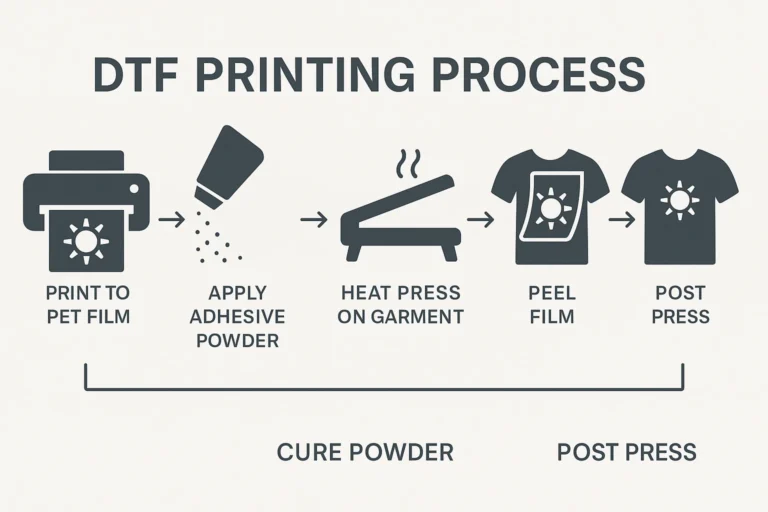
Iron-on patches come with a heat-activated adhesive layer on the back. When heat is applied using a household iron or heat press, the adhesive melts and bonds the patch to the fabric.
This makes iron-on patches one of the most popular options for casual use and quick application.
How Iron-On Patches Work
The process is simple:
- Place the patch on the garment
- Apply heat and pressure for a set time
- Allow the adhesive to cool and bond
Once attached, the patch sits flat and does not require stitching. This is why iron-on backing is often chosen by people who want a clean finish without sewing.
Common Uses for Iron-On Patches in the UK
Iron-on patches are widely used for:
- Fashion jackets and denim
- Tote bags and backpacks
- Kids’ clothing
- Promotional giveaways
- Decorative patches for events or clubs
They are especially popular with customers ordering custom iron-on patches for personal projects or short to medium-term use.
Pros of Iron-On Patches
Iron-on patches offer several clear benefits, particularly for casual and fashion-led uses.
Easy and Quick to Apply
No sewing skills are needed. Most people can apply an iron-on patch at home in minutes.
Clean and Tidy Finish
There are no visible stitches, which helps the patch blend smoothly into the garment.
Ideal for Lightweight Fabrics
Cotton, denim, and polyester blends work well with iron-on backing.
Great for Personalisation
Iron-on patches are perfect for customising clothing, accessories, or small batches of items quickly.
Cons of Iron-On Patches
Despite their convenience, iron-on patches are not suitable for every situation.
Reduced Durability Over Time
Repeated washing and drying can weaken the adhesive, especially at higher temperatures.
Limited Fabric Compatibility
Iron-on backing does not work well on waterproof materials, nylon, leather, or heat-sensitive fabrics.
Can Lift on High-Movement Areas
Areas like elbows, shoulders, and knees experience more friction, which can cause edges to peel.
Not Ideal for Professional Uniforms
For workwear, military use, or heavy-duty garments, iron-on alone is often not secure enough.
Because of this, many customers choose to reinforce iron-on patches with stitching or select sew-on backing instead.
Iron-On vs Sew-On: A Quick Reality Check
Iron-on patches are about speed and ease. Sew-on patches are about strength and longevity. Neither option is automatically better. It comes down to how the patch will be worn and how often the garment will be washed or handled.
For people ordering through a UK supplier of Custom Embroidered Patches UK, this decision is often guided by use rather than appearance.
Sew-On Patches, Comparisons, and Choosing the Right Option
Sew-on patches are often seen as more traditional, but there is a good reason they are still widely used across the UK.
If you are ordering patches for uniforms, workwear, clubs, or anything that needs to last, this section will help you decide with confidence.
What Are Sew-On Patches?
Sew-on patches are designed to be stitched directly onto a garment. They do not rely on heat or adhesive. Instead, they are secured with thread, either by hand or using a sewing machine.
This method has been used for decades and is still the preferred option for many professional and long-term applications.
How Sew-On Patches Are Applied
Sew-on patches can be attached in a few different ways:
- Hand stitching for small quantities or detailed placement
- Machine stitching for uniforms and bulk orders
- Edge stitching or full perimeter stitching for extra strength
Once sewn on, the patch becomes part of the garment rather than something that sits on top of it.
Common Uses for Sew-On Patches in the UK
Sew-on backing is commonly chosen for:
- Workwear and staff uniforms
- Military, tactical, police, and morale patches
- Denim jackets and jeans
- Leather garments and heavy fabrics
- Club, scout, and motorcycle patches
This backing type is widely used on Custom Military / Tactical / Police / Morale Patches UK because of its reliability and long lifespan.
Pros of Sew-On Patches
Sew-on patches are chosen for practical reasons rather than convenience.
Long-Lasting and Secure
Once stitched, the patch stays in place even with frequent washing and daily wear.
Suitable for All Fabrics
Sew-on patches work on cotton, denim, leather, nylon, and waterproof materials.
Ideal for High-Wear Areas
They hold up well on shoulders, sleeves, backs, and other high-movement zones.
Preferred for Professional Use
Uniforms and branded workwear often require sewn patches to meet durability expectations.
Cons of Sew-On Patches
While strong and reliable, sew-on patches do have a few drawbacks.
Takes More Time to Apply
Sewing is slower than ironing, especially for large batches.
Requires Sewing Skills or Equipment
Not everyone is comfortable stitching patches themselves.
Visible Stitching
The thread can be seen, which may not suit some fashion-focused designs.
Iron-On vs Sew-On Patches: Side-by-Side Comparison
Here is a practical comparison to help you decide quickly:
- Ease of application: Iron-on is faster, sew-on takes more effort
- Durability: Sew-on lasts longer
- Wash resistance: Sew-on performs better over time
- Fabric compatibility: Sew-on works on all fabrics
- Best for uniforms: Sew-on
- Best for casual wear: Iron-on
Many UK customers choose iron-on for convenience and sew-on for anything that needs to endure regular use.
Which Option Is Better for Your Needs?
For Workwear and Uniforms
Sew-on patches are usually the better choice. They cope well with frequent washing and daily wear.
For Fashion and Casual Clothing
Iron-on patches work well, especially for jackets, bags, and personal projects. Some people add a few stitches around the edge for extra security.
For Hats, Bags, and Removable Uses
In some cases, alternatives like custom velcro patches may be more suitable, especially when patches need to be swapped or repositioned.
Can Iron-On Patches Also Be Sewn?
Yes, and many people do this. Sewing around the edges of an iron-on patch combines the neat finish of heat application with the durability of stitching.
This is a popular option for:
- Denim jackets
- Backpacks
- Children’s clothing
- Areas that experience friction
Choosing the Right Patch Backing When Ordering Custom Patches
When ordering from a UK supplier of Custom Embroidered Patches UK, it helps to consider:
- What fabric will the patch be applied to
- How often the garment will be washed
- Whether the patch is decorative or functional
- If the patch needs to be permanent or removable
Backing choice is just as important as thread type, size, and shape.
FAQs About Iron-On and Sew-On Patches
Do iron-on patches stay on after washing?
They can, but lower wash temperatures and air drying help extend their lifespan.
Are sew-on patches better for uniforms?
Yes. They are more secure and withstand repeated washing.
Can iron-on patches damage fabric?
High heat can affect delicate or synthetic fabrics, so testing is always advised.
Which backing lasts the longest?
Sew-on backing generally offers the longest lifespan.
Can I change my patch backing later?
Yes. Iron-on patches can be sewn, and some backings can be removed with care.
Final Thoughts: Making the Right Choice
There is no single best option for everyone. Iron-on patches suit speed and simplicity. Sew-on patches suit strength and longevity. The right choice depends on how the patch will be used, not just how it looks.
If you are unsure, a good patch supplier can guide you based on your garment, usage, and goals.