Custom Police Patches UK – Professional Police Badges Made to Order
Proudly Represent Your Force with Custom Police Patches UK
Custom police patches are embroidered or woven badges used by police forces, security teams, and law enforcement units for clear identification on uniforms and tactical gear. In the UK, these patches must balance durability, visibility, and professional design so they perform well in daily operational use.
At Custom Embroidered Patches UK, we produce custom police patches in the UK with strong stitching, clean detailing, and reliable backing options such as Velcro, sew-on, and iron-on. Each patch is made to suit uniform standards, branding needs, and practical wear.
What Are Custom Police Patches?
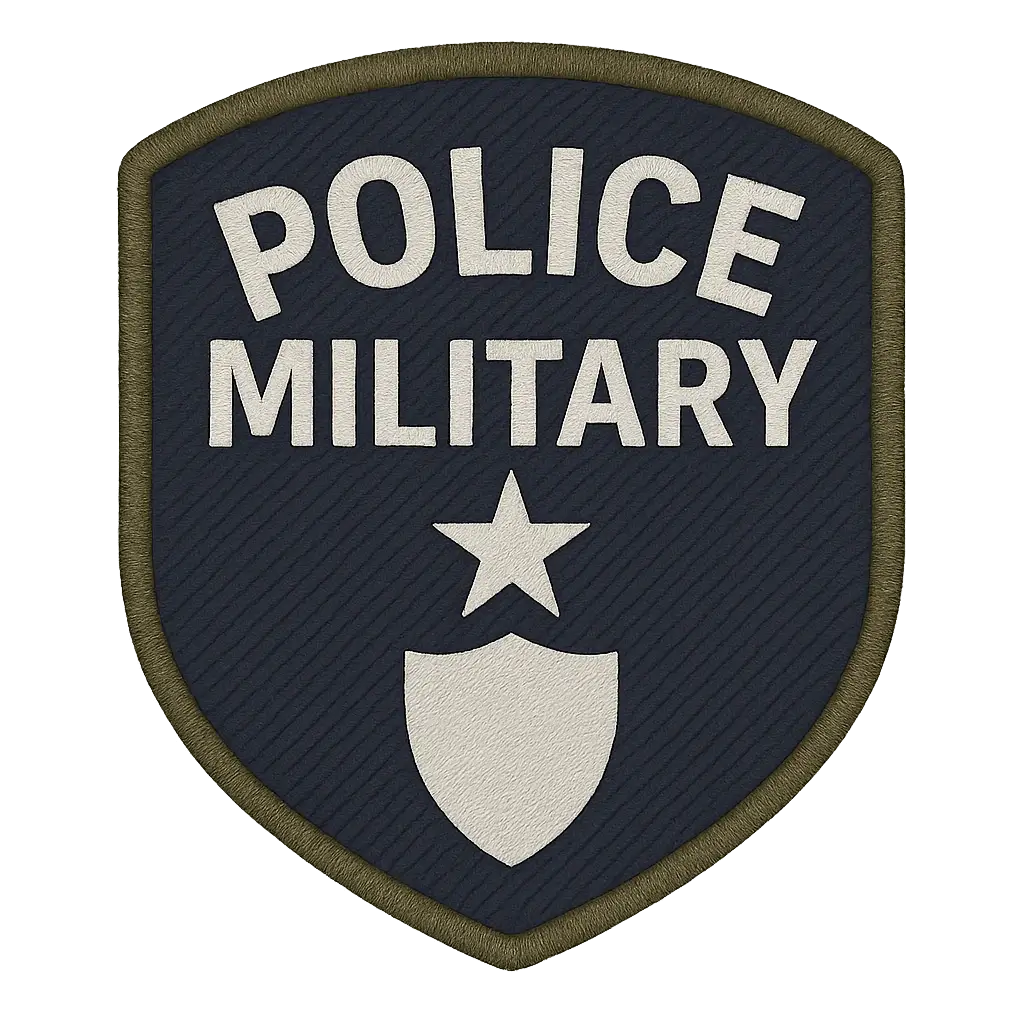
Custom police patches are fabric badges designed for identification, rank display, and organisational branding within law enforcement and security environments. A police patch typically includes a logo, text, or insignia that represents a specific unit, department, or role.
A police patch serves three main functions:
- Identification: It shows the officer’s unit, department, or authority
- Branding: It represents the organisation’s identity and visual standards
- Durability: It withstands regular use on uniforms, jackets, and tactical equipment
In the UK, police-style patches are also used by private security firms, enforcement teams, training organisations, and event security staff. While official police insignia is restricted, custom-designed patches for approved use are widely produced for professional applications.
Types of Custom Police Patches
Different patch types suit different operational needs. The choice depends on the detail level, durability, and how the patch will be used on a uniform.
Embroidered Police Patches
Embroidered police patches are the most common option. They use stitched thread to create a raised, textured design.
- Strong and durable for daily wear
- Ideal for logos, badges, and bold text
- Suitable for uniforms and jackets
These patches are widely used because embroidery provides a clear and professional finish that holds up well over time.
Woven Police Patches
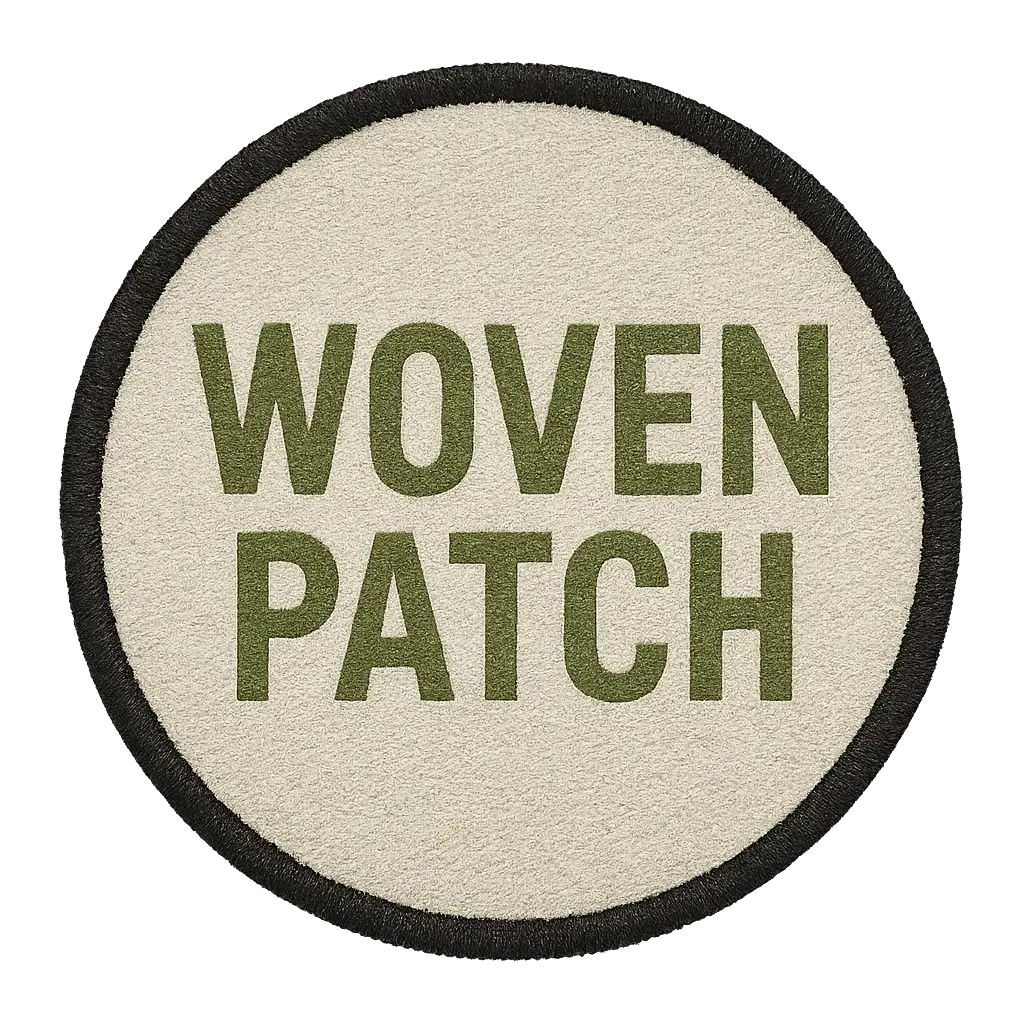
Woven patches use thinner threads to create a flatter surface with finer detail.
- Best for small text and intricate designs
- Smooth finish with high precision
- Less texture compared to embroidery
Woven patches are useful when the design includes fine lines or detailed lettering that embroidery cannot easily reproduce.
PVC Police Patches
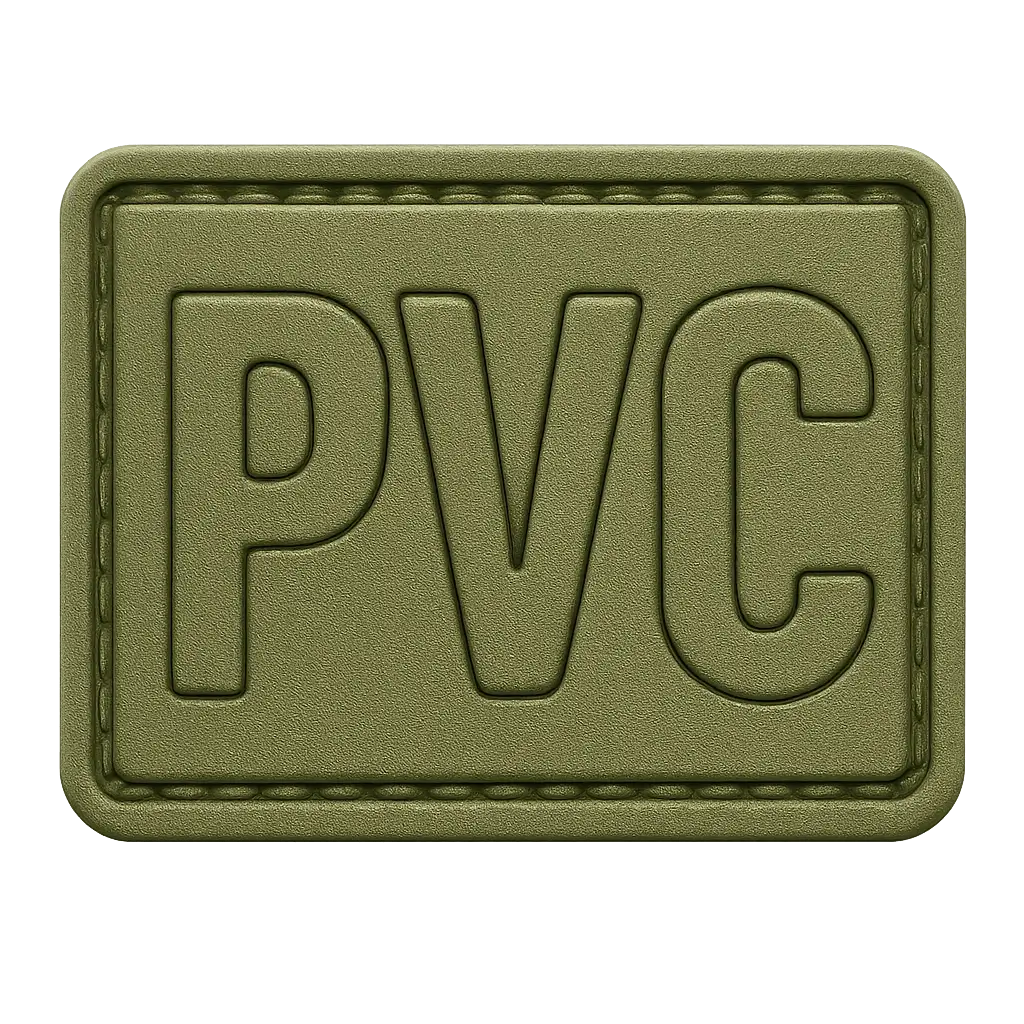
PVC patches are made from flexible plastic rather than thread.
- Waterproof and weather-resistant
- Suitable for tactical gear and outdoor use
- Easy to clean and maintain
These patches are often used by tactical units or security teams that need patches to perform in harsh conditions.

Printed Police Patches
Printed patches apply ink directly onto fabric.
- Suitable for complex or multi-colour designs
- Lower cost for certain designs
- Less durable than stitched options
Printed patches are used when the design cannot be stitched easily, but they are not as long-lasting as embroidered or woven patches.
Backing Options for Police Uniforms
The backing of a police patch determines how it attaches to clothing or equipment. Choosing the right backing is essential for both function and durability.

Velcro Backing (Hook and Loop)
Velcro backing is the most practical option for police and tactical use.
- Allows quick attachment and removal
- Ideal for uniforms that require regular changes
- Common on tactical vests, jackets, and gear
Velcro-backed police patches are widely used because they provide flexibility without damaging the garment.
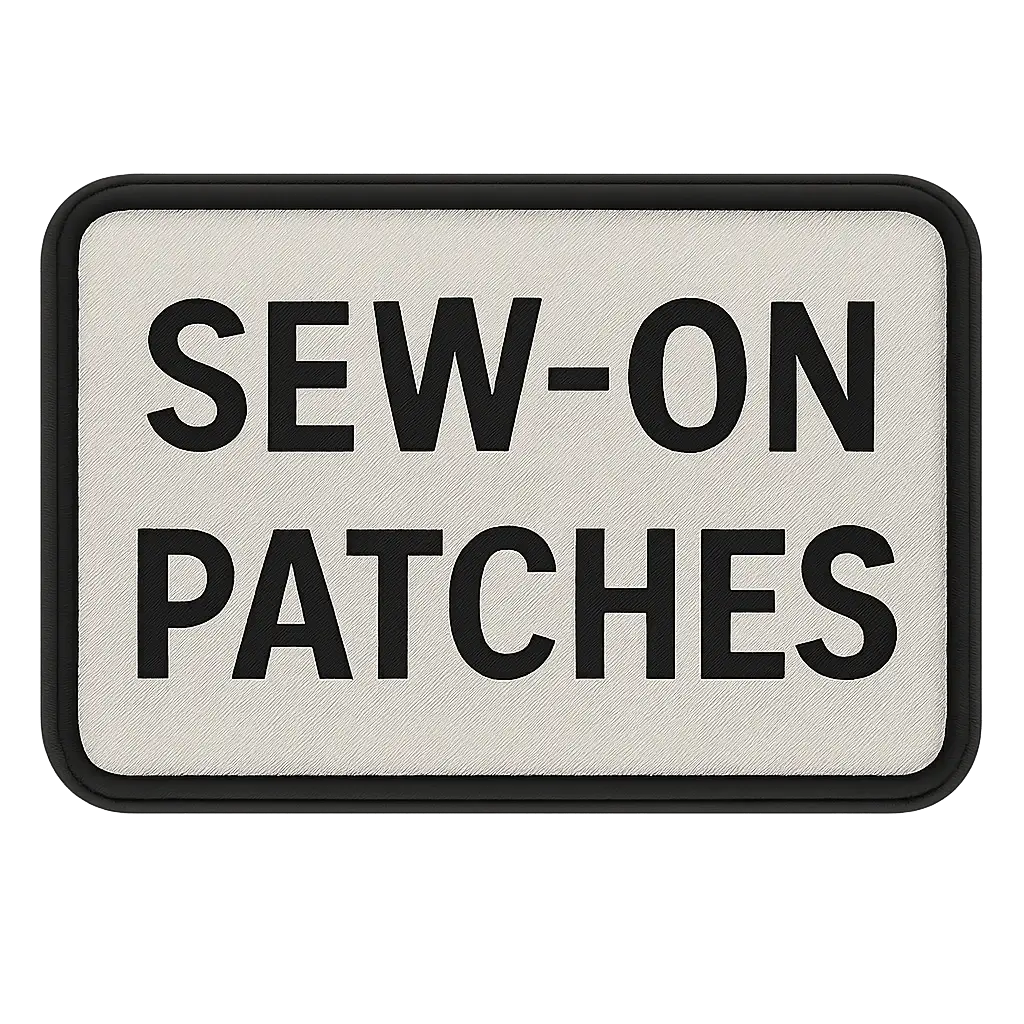
Sew-On Backing
Sew-on patches are stitched directly onto the uniform.
- Permanent and secure attachment
- Suitable for long-term use
- Common for standard uniform placement
This option is preferred when patches do not need to be removed or replaced frequently.

Iron-On Backing
Iron-on patches use heat-activated adhesive.
- Quick application without sewing
- Suitable for light use or temporary placement
- Less durable under heavy wear
Iron-on backing can be useful for convenience, but it is not typically recommended for demanding police or security environments.
Use of Police-Style Patches
In the UK, custom police patches must be designed carefully to avoid misuse of official insignia. Genuine police force badges are protected, and unauthorised reproduction is not permitted.
However, many organisations use police-style patches for legitimate purposes, including:
- Private security companies
- Enforcement and compliance teams
- Training organisations
- Event security staff
These patches follow similar design principles but use unique branding that clearly distinguishes them from official police insignia.
This distinction is important for both legal compliance and professional credibility.
How to Design Custom Police Patches
Designing a custom police patch starts with a clear logo or concept that reflects the organisation’s identity. The design must be easy to read, balanced in shape, and suitable for stitching or production.
A well-designed police patch includes:
- A clear logo or emblem
- Readable text or unit name
- Strong contrast between colours
- A defined border shape
Logo Preparation and Artwork
The first step is preparing your artwork. A high-quality image or vector file helps ensure clean results.
- Vector files such as AI, EPS, or PDF provide the best clarity
- PNG or JPG files can be used but may need adjustment
- Simple designs work better than overly detailed graphics
If the design is unclear or too complex, it may lose detail when stitched.
Digitising for Embroidery
Digitising converts your design into a stitch file that embroidery machines can read.
- The design is mapped into stitch paths
- Thread directions and density are defined
- Fine details are adjusted for stitching accuracy
This step is essential for embroidered police patches because it directly affects how the final patch looks and performs.
Choosing Colours and Thread
Thread colour selection is important for visibility and consistency.
- High-contrast colours improve readability
- Dark uniforms often require lighter thread
- Standard thread colours help keep costs controlled
In police-style patches, clarity matters more than decoration. The design must remain visible at a distance.
Patch Shape and Border Style
The border defines the shape and finish of the patch.
- Merrowed border: Rounded stitched edge, common for traditional badges
- Laser cut edge: Clean, sharp edge for custom shapes
The choice depends on the design. Standard shapes suit merrowed edges, while custom shapes often require laser cutting.
Materials and Stitching Quality
The quality of a police patch depends heavily on the materials and stitching used during production.
Fabric Base
The base fabric forms the foundation of the patch.
- Twill fabric is commonly used for durability
- It holds stitches firmly and resists wear
- Suitable for daily uniform use
A strong fabric base ensures the patch maintains its shape over time.
Thread and Stitch Density
Thread quality and stitch density affect both appearance and durability.
- Higher stitch density creates a fuller, more detailed design
- Strong embroidery thread resists fading and fraying
- Proper stitching prevents gaps and loose threads
A well-stitched police patch keeps its structure even after repeated washing and use.
Durability in Daily Use
Police and security patches must handle regular wear.
- Exposure to weather, friction, and washing
- Movement on uniforms and tactical gear
- Long-term use without losing shape
Durability is not just about materials. It depends on the combination of fabric, thread, and production quality.
Where Police Patches Are Used
Custom police patches are used across a wide range of uniforms and equipment. Their placement depends on visibility and function.
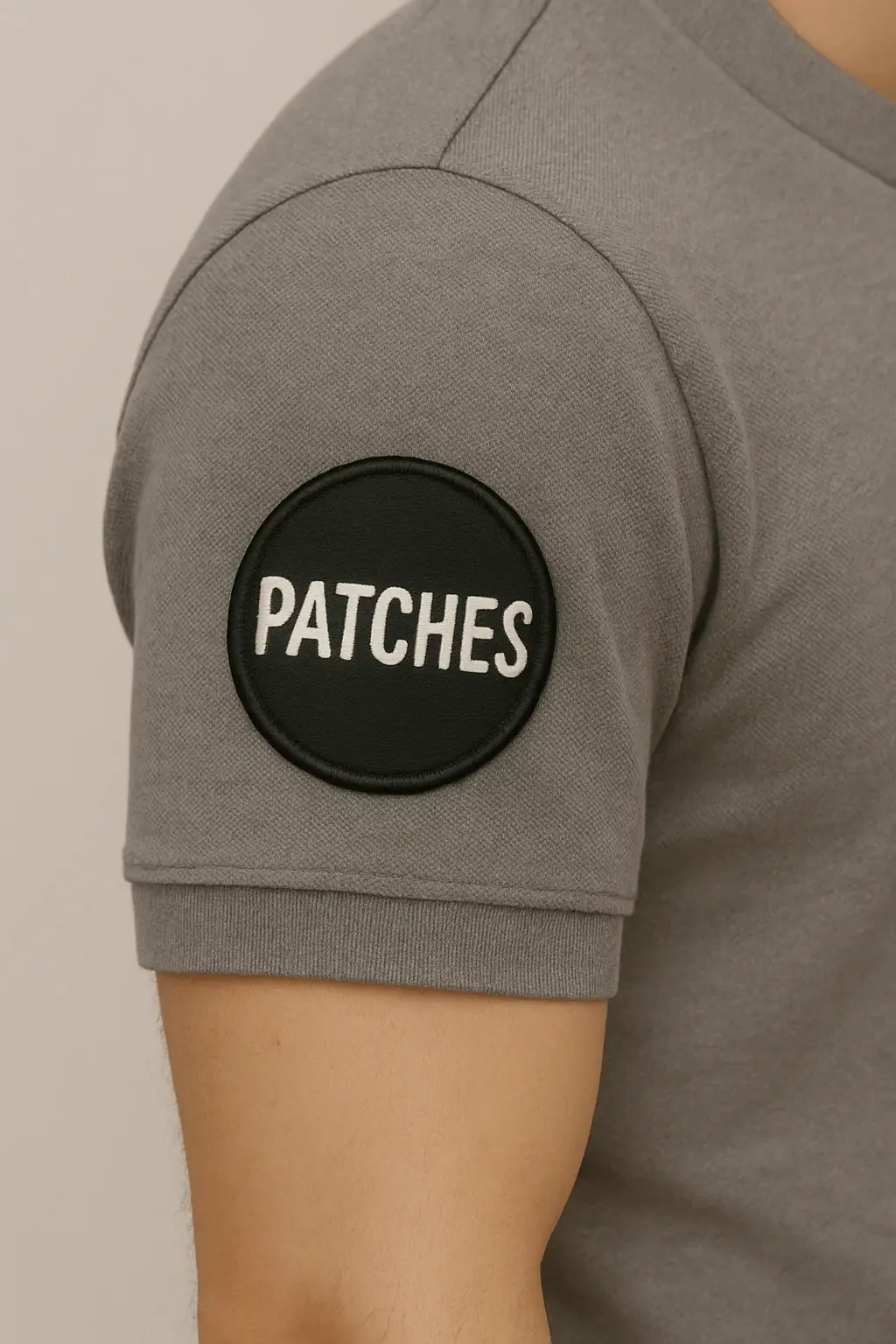
Uniform Sleeves
Sleeve patches are the most recognisable placement.
- Display unit or organisation name
- Provide clear identification
- Positioned for visibility during interaction

Tactical Vests and Gear
Velcro-backed patches are often used on tactical equipment.
- Quick removal and replacement
- Flexible use across different uniforms
- Suitable for operational environments
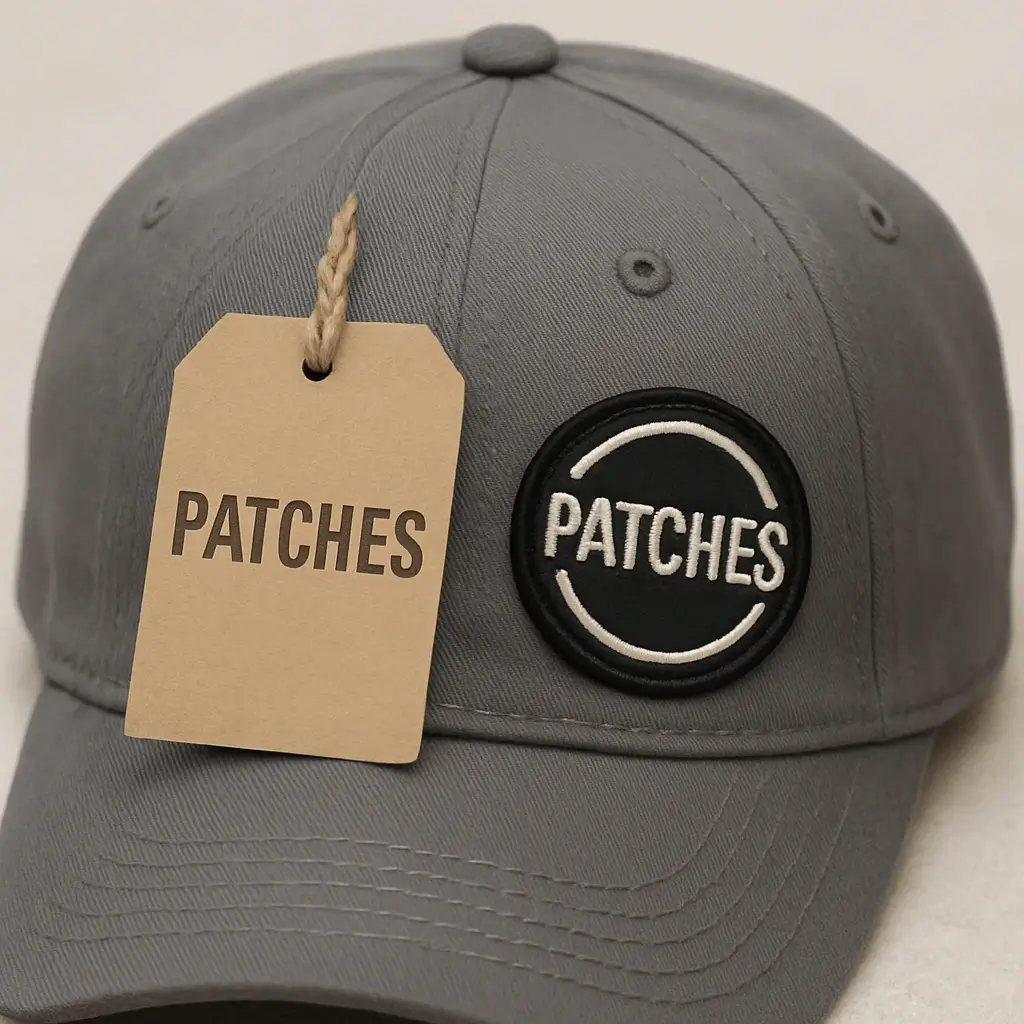
Hats and Caps
Smaller patches are used on headwear.
- Reinforces branding
- Keeps identification consistent
- Works well with embroidered designs
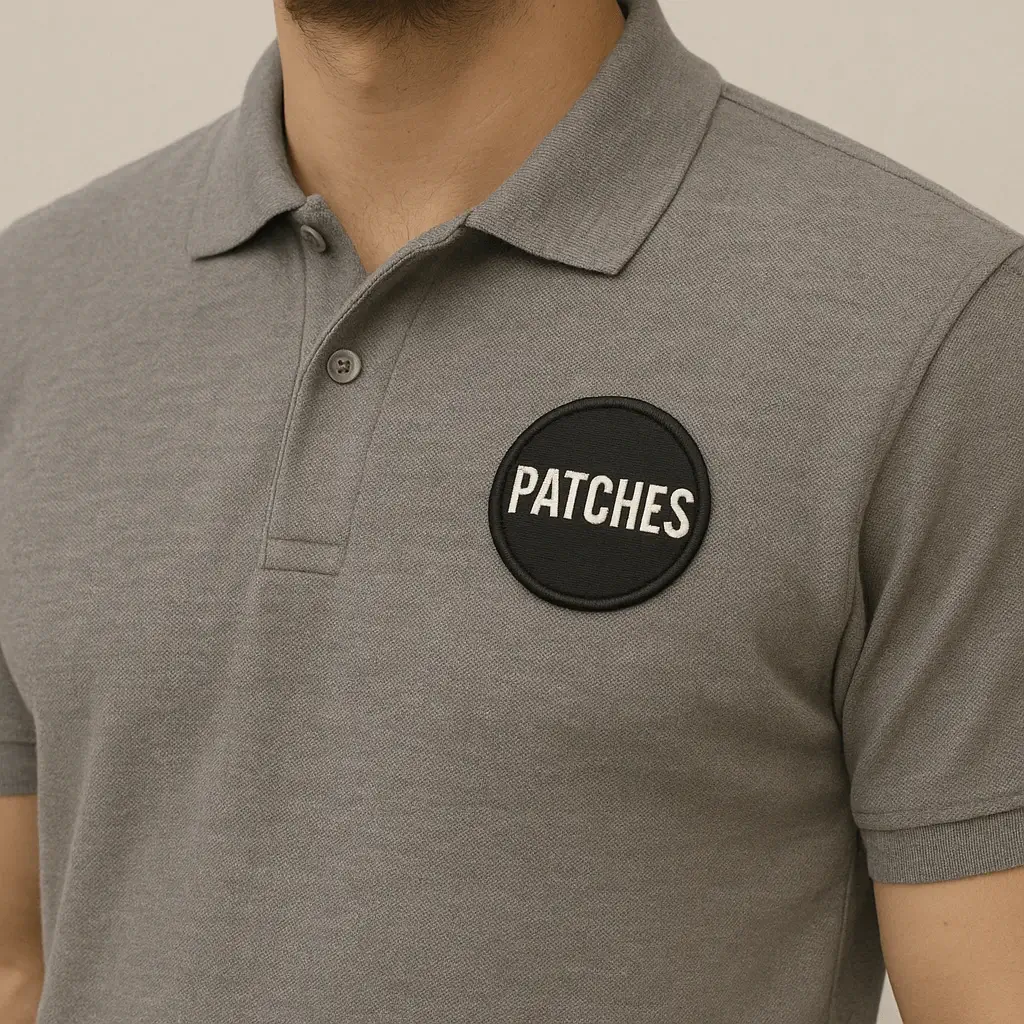
Training and Event Use
Patches are also used outside standard operations.
- Training uniforms
- Event security staff
- Temporary roles or assignments
This flexibility increases the demand for removable and adaptable patch options.
Our Research Into UK Police Uniform Spending
Custom Embroidered Patches UK has conducted Freedom of Information research into police uniform spending across the UK. The findings have been reported by local and regional news publications, connecting our work in custom patches and uniform insignia with original research into the wider uniform sector. View our media coverage and research.
Custom Police Patches Pricing UK
Pricing for custom police patches in the UK depends on several production factors. Understanding these helps you plan your order more effectively.
What Affects the Price
The main factors include:
- Patch size: Larger patches require more material and stitching
- Stitch count: More detail increases production time
- Quantity: Bulk orders reduce cost per patch
- Backing type: Velcro and specialised backing may add cost
Each of these elements contributes to the final price.
Typical Price Ranges
While prices vary, general estimates for UK orders are:
- Small patches (bulk): lower cost per unit
- Medium patches: moderate pricing depending on detail
- Large or complex patches: higher cost due to stitch density
Bulk orders usually offer better value, especially for organisations ordering for teams or departments.
Balancing Cost and Quality
Lower cost options may reduce stitch density or material quality. However, for police or security use, durability and clarity should not be compromised.
A well-made patch lasts longer and maintains a professional appearance, which makes it more cost-effective over time.
Minimum Order Quantity and Turnaround Time
Understanding order requirements helps avoid delays and ensures smooth production.
Minimum Order Quantity (MOQ)
Most custom patch orders have a minimum quantity.
- The common starting point is around 10 patches
- Larger orders reduce the cost per unit
- Suitable for teams, departments, and organisations
Production Time
Production time depends on order size and complexity.
- Standard production: around 7 to 10 working days
- Complex designs may take longer
- Bulk orders require additional time
Delivery Across the UK
Once production is complete:
- Orders are shipped across the UK
- Delivery times depend on location
- Fast dispatch options may be available
Planning ahead ensures patches are ready when needed for uniforms or operations.
Why Choose Our Custom Police Patch Service
Choosing the right supplier matters when patches are used for professional or operational purposes. A police patch must look clear, feel durable, and hold its quality over time.
We focus on delivering patches that meet practical requirements as well as visual standards.
Consistent Quality and Clean Detailing
Every patch is produced with attention to stitching accuracy, colour consistency, and shape definition.
- Clean embroidery with no loose threads
- Strong borders that hold their shape
- Clear text that remains readable
This ensures each patch looks professional on uniforms and equipment.
Reliable Materials for Long-Term Use
We use durable fabric bases and strong embroidery thread to support regular wear.
- Resistant to fading and fraying
- Maintains structure after washing
- Suitable for indoor and outdoor use
This level of durability is essential for police-style and security patches.
Flexible Backing Options
Different environments require different attachment methods.
- Velcro for tactical and removable use
- Sew-on for permanent placement
- Iron-on for quick application
This flexibility allows patches to be used across a range of uniforms and gear.
UK-Focused Service and Delivery
We provide a service tailored to UK customers.
- Clear communication during the design process
- Reliable turnaround times
- Delivery across the UK
This helps organisations receive their patches without unnecessary delays.
Our Order Process
Ordering custom police patches follows a simple step-by-step process. Each stage ensures the design is correct before production begins.
Step 1: Submit Your Design
Send your logo, badge concept, or artwork.
- Vector files are preferred
- Basic images can be refined if needed
Step 2: Receive a Digital Proof
A digital preview of your patch is created.
- Shows layout, colours, and proportions
- Allows adjustments before production
Step 3: Approve the Artwork
Once the design is confirmed:
- Final approval is given
- Production begins based on the approved version
Step 4: Production and Stitching
Your patches are manufactured using the selected materials and stitching method.
- Embroidery or chosen patch type is applied
- Quality checks are carried out
Step 5: Delivery
Finished patches are shipped to your location.
- Delivered across the UK
- Ready for use on uniforms or equipment
Custom Police Patches vs Security Patches
Police patches and security patches may look similar, but they serve different roles.
Purpose and Use
- Police patches represent official or structured law enforcement roles
- Security patches are used by private companies and event staff
Design Approach
- Police-style patches often follow a formal badge layout
- Security patches may use simpler branding or company logos
Authority and Identification
- Police patches are linked to recognised authority structures
- Security patches focus on visibility and identification rather than official status
Understanding this difference helps ensure your patch design matches its intended use.
Frequently Asked Questions
Can anyone order custom police patches in the UK?
What backing is best for police uniforms?
How long do police patches last?
What is the minimum order quantity?
Are custom police patches waterproof?
Request Your Custom Police Patches Today
If you need custom police patches in the UK, the process starts with a simple design submission. Whether you require embroidered badges, Velcro patches, or durable options for tactical use, each patch is produced to meet practical requirements and maintain a professional finish.
Send your design or enquiry today to receive a quote and begin the production process.